What is the best fresh dog food?
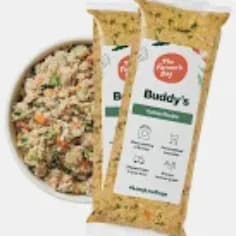
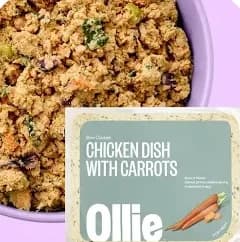
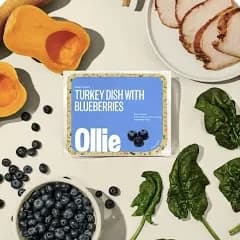
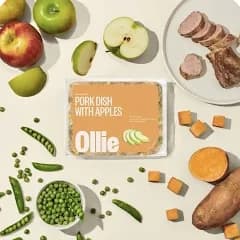
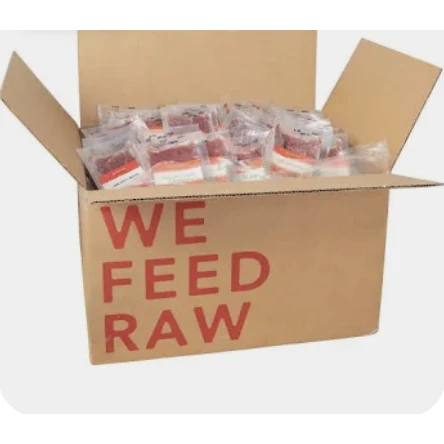
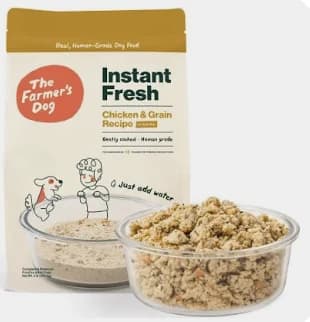
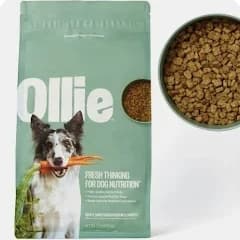
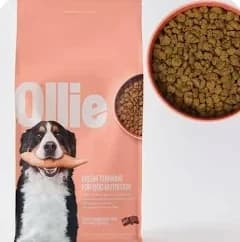
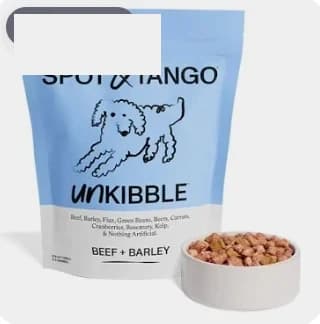
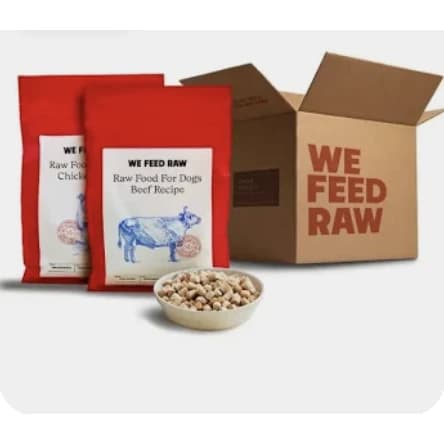
For most dogs, the best fresh dog food is a complete-and-balanced, gently cooked diet portioned to your dog's daily calorie needs. That's why The Farmer's Dog tops our ranking. Ollie is the closest alternative and adds a baked option; see The Farmer's Dog vs Ollie for the full head-to-head. If you don't have freezer space, Spot & Tango's UnKibble stores in the pantry (Ollie vs Spot & Tango). If you've already decided on raw, We Feed Raw is the subscription to beat (The Farmer's Dog vs We Feed Raw).
Why fresh dog food? The real benefits
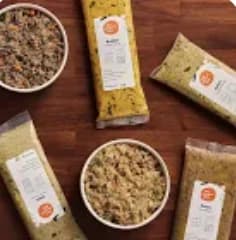
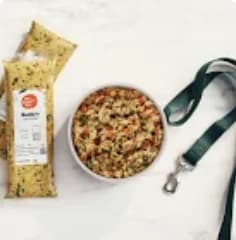
Fresh dog food is made from whole meats and vegetables, cooked at lower temperatures than extruded kibble (or not cooked at all, for raw), then frozen or refrigerated. The benefits that hold up best:
- Digestibility. Controlled feeding studies, including University of Illinois research published in the Journal of Animal Science, have found lightly processed human-grade diets highly digestible, with smaller stool output than an extruded kibble.
- Moisture. Fresh food is roughly 70% water, against about 10% for kibble, so it adds to your dog's daily water intake.
- Portion control. Pre-portioned packs make it easy to feed a set number of calories, the single biggest lever for healthy weight. Not sure how much? See how much fresh food to feed your dog.
- Palatability. Picky eaters usually take to fresh food fast. See our guide for picky eaters.
What fresh food doesn't do: it isn't automatically healthier than a well-formulated kibble, and it costs more per day. The deciding questions are whether it's complete and balanced, and whether the price works at your dog's weight.
Fresh, raw, freeze-dried and kibble compared| Format | Typical moisture | Processing | Storage |
|---|
| Fresh (gently cooked) | ~65-75% | Cooked at low temperature | Freezer + fridge |
|---|
| Raw (frozen) | ~60-70% | Uncooked | Freezer + fridge |
|---|
| Freeze-dried | under 10% | Water removed, uncooked | Pantry |
|---|
| Kibble | ~10% | High-heat extrusion | Pantry |
|---|
Fresh dog food nutrition: how to compare labels
Because fresh food is mostly water, its label percentages look low next to kibble. To compare fairly, convert to a dry-matter basis: divide the nutrient by the share of the food that isn't water. A worked example:
Dry-matter conversion example| Label says | Protein (as fed) | Moisture | Protein (dry matter) |
|---|
| Fresh food | 11% | 70% | 36.7% |
|---|
| Kibble | 26% | 10% | 28.9% |
|---|
In this example the fresh food actually has more protein once the water is removed. Next, check the AAFCO statement. An adult recipe should provide at least 45 g of protein per 1,000 kcal; puppies need a growth or all-life-stages recipe with at least 56.3 g. Our methodology shows every formula we use.
Which fresh diet fits your dog?
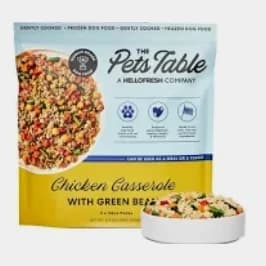
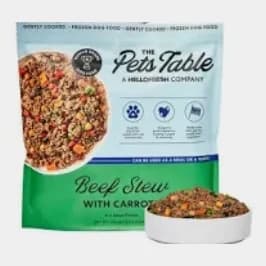
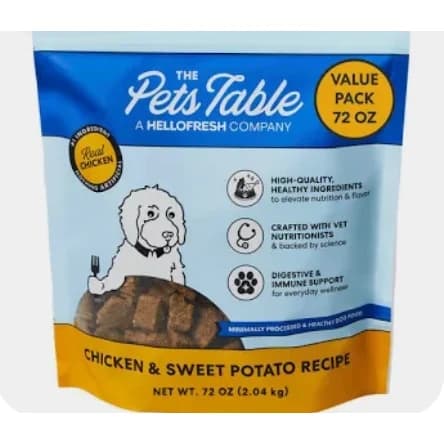
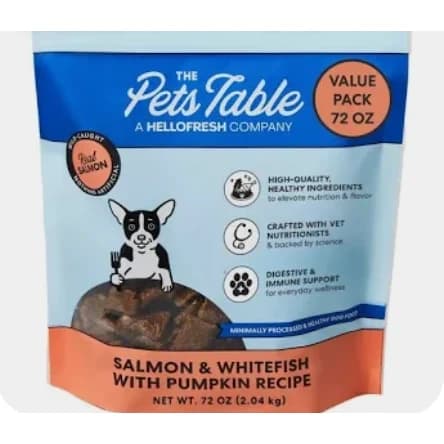
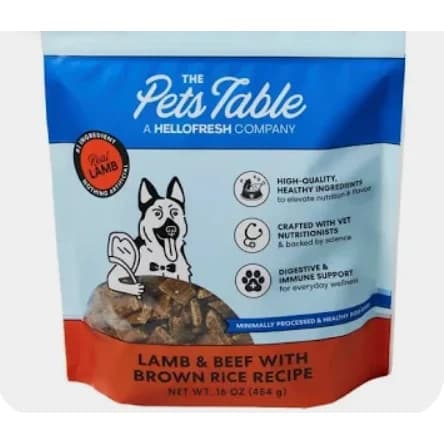
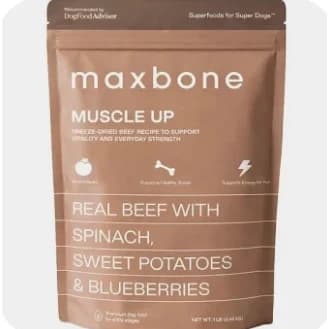
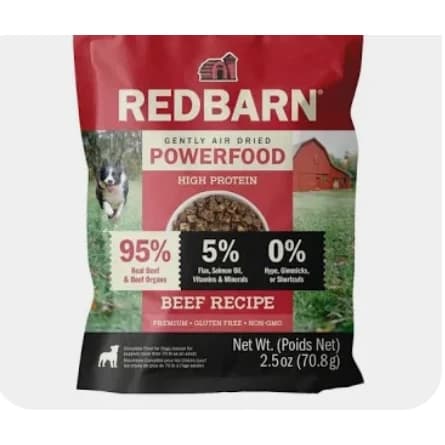
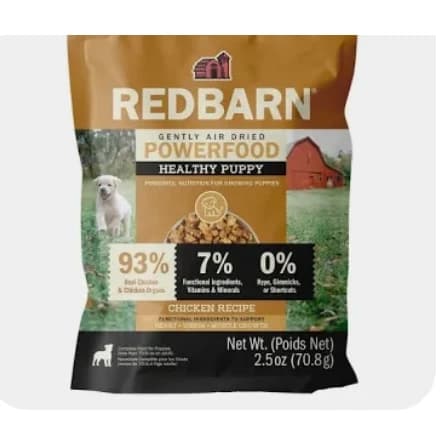
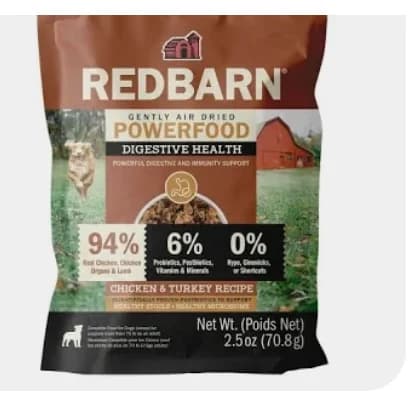
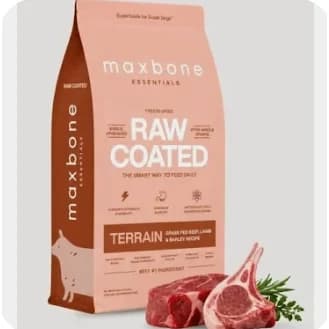
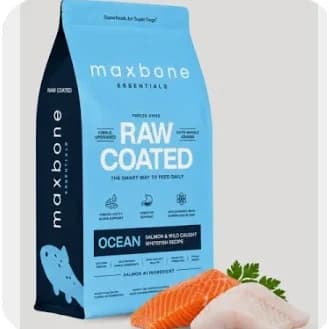
Comparing two shortlisted brands? Read The Farmer's Dog vs Spot & Tango, Ollie vs The Pets Table, We Feed Raw vs Maxbone or Maxbone vs Redbarn, or browse all 21 comparisons. For breed-specific feeding amounts, start with Golden Retrievers, French Bulldogs or every breed.
How to switch to fresh food
Switch over about 10 days. Feed 25% new food for days 1-3, 50% for days 4-6, 75% for days 7-9, then 100%. If you're mixing fresh with kibble long term, cut the kibble by the calories the fresh food adds, otherwise your dog will gain weight. Dogs with a medical condition should switch only with their vet's agreement. See our transition guide.